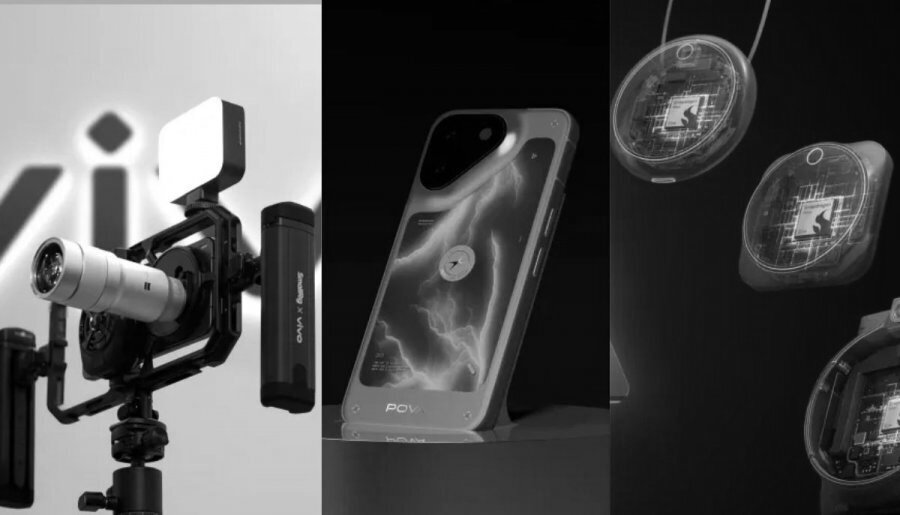
AI Everywhere: Mobile World Congress 2026 Signals the Rise of Smarter Devices

MWC 2026: New smartphones, AI gadgets and tech innovations revealed

Mobile World Congress 2026 made one thing clear: artificial intelligence is rapidly becoming the defining layer of modern consumer hardware. While new smartphones still drew attention, the bigger story was how deeply AI is being embedded across devices, from cameras and assistants to wearables and communication tools. The event showcased how manufacturers are shifting focus from raw hardware specs toward smarter software that can automate tasks, personalize experiences, and respond more naturally to users.

Several announcements hinted at where the industry is heading. Companies demonstrated AI-enhanced phones capable of advanced visual tracking and automation, alongside gadgets like translation earbuds and AI call assistants designed to remove friction from everyday communication. The overall takeaway is that mobile devices are evolving from passive tools into proactive systems that interpret context and act on a user’s behalf. If MWC 2026 is any indication, the next generation of consumer tech will be defined less by new form factors and more by how intelligently devices understand and assist the people using them.


READ ARTICLE

Why “Physical AI” Is the Real Next Frontier for Robotics

In Deloitte’s “AI Goes Physical: Navigating the Convergence of AI and Robotics,” the narrative shifts sharply from abstract software breakthroughs to embodied intelligence—AI systems that actually perceive, reason, and act in the physical world. The central claim is straightforward: traditional robots, long confined to rigid, pre‑programmed tasks, are being transformed into adaptive machines capable of operating safely in complex, unpredictable environments.

These systems blend vision‑language‑action models, onboard AI processors, advanced sensors, and stronger actuators, enabling robots not just to follow instructions but to learn from experience and respond to real‑world conditions in real time. This isn’t incremental automation; it’s a fundamental reframing of what it means for machines to understand and navigate the physical world.

The article also contextualizes where this evolution matters most. Physical AI is already moving beyond narrow industrial pilots into arenas like autonomous grid inspection, healthcare robotics, and dynamic logistics operations. Perhaps the most compelling part of the story is the anticipated rise of humanoid robots—machines shaped and capable enough to work in spaces built for people, not factories.

These platforms promise dramatic productivity gains but also spotlight persistent challenges: bridging simulation to reality, ensuring safety and trust, complying with diverse regulations, and rethinking human‑machine collaboration. In essence, this piece outlines both the opportunity and the realism behind a future where AI doesn’t just think—it acts in the world.

READ ARTICLE

OpenAI Moves Toward Personal AI Agents for Customer Service, With Big Promise and Bigger Risks

OpenAI has hired Peter Steinberger, creator of the open source agent project OpenClaw, signaling a serious push into autonomous personal AI agents. OpenClaw showed how language models could plug into everyday apps and complete real tasks on a user’s behalf, and its rapid adoption proved there is real demand for delegation. If this vision scales under OpenAI, customer service teams may soon find themselves serving AI agents acting for customers, not just the customers themselves.

The opportunity is significant, but so is the risk. OpenClaw’s deep system access and autonomy also drew scrutiny from security researchers, highlighting how easily such agents could be misused. For contact centers, that raises urgent questions around authentication, fraud, and accountability. The technology is moving fast, but governance, identity frameworks, and enterprise safeguards will need to evolve just as quickly.

READ ARTICLE