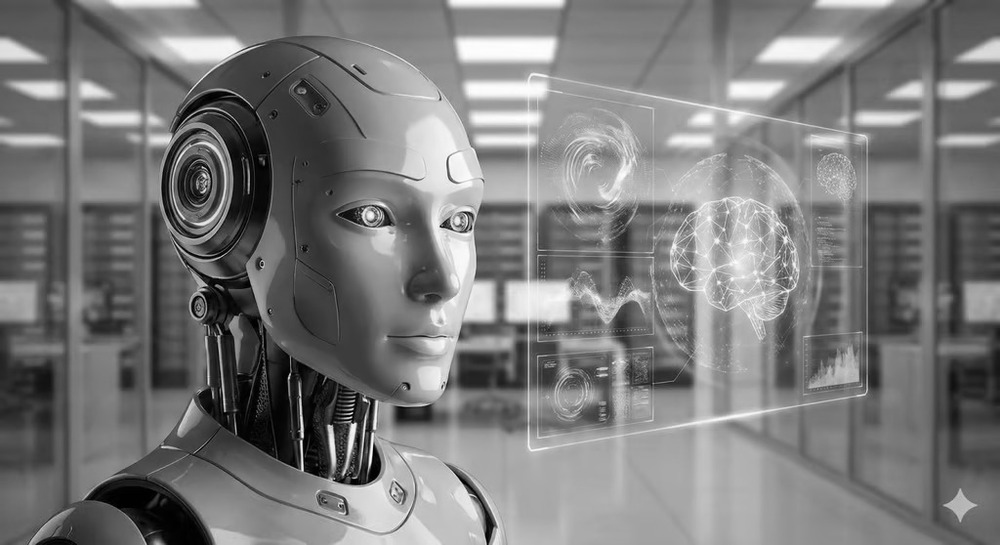
The past year has proven that artificial intelligence is no longer just a speculative frontier; it is a high-stakes reality reshaping global security and the physical world. From the unsettling discovery of AI-powered surveillance tools targeting Western protests to the literal arrival of humanoid robots on the competitive stage in Beijing, 2025 was defined by tangible, often friction-filled progress. While Waymo’s impressive safety data suggests a future where autonomous systems outmatch human performance, the internal exodus of safety researchers from industry leaders like OpenAI serves as a sobering reminder that our technical velocity may be outstripping our governance.
As we look toward 2026, the industry finds itself at a critical inflection point where the “App Era” is giving way to the “Agent Era.” We are moving beyond simple chatbots toward autonomous entities capable of navigating complex physical and digital environments. This transition brings a dual-edged sword of unprecedented efficiency and deepening workforce anxiety, as nearly a fifth of the population now views automation as a direct threat to their livelihoods. This review of 2025’s biggest moments isn’t just a look back; it’s a roadmap for the ethical and operational hurdles that will define the next phase of the AI revolution.