
Are We Months Away From AI Improving Itself? A New Report Says Yes

Eugene Mymrin/Getty Images

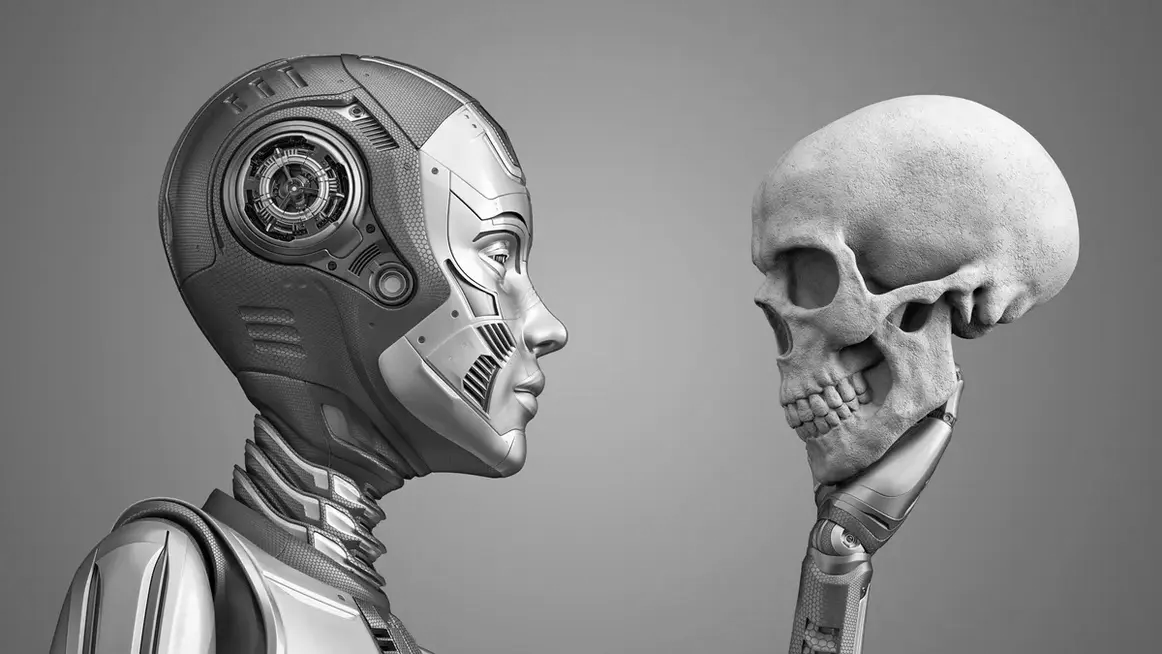
A new report highlighted by TIME suggests that AI companies may be approaching a major turning point: recursive self-improvement, where AI systems help develop increasingly capable versions of themselves. According to interviews cited by Gladstone AI, some industry insiders believe this could begin within the next 3 to 12 months, as companies automate more of the AI research and development process.

The potential upside is enormous, with faster breakthroughs in AI and science. But the risks are equally significant if AI capabilities advance faster than our ability to understand, monitor, and control them. The timeline remains a prediction, not an established fact, but the race to automate AI development deserves serious attention. Are we approaching a new era of innovation, or a turning point we aren’t prepared to manage?
READ ARTICLE…

…

AI Worms Could Be Months Away From Self-Replication Without Data Centers

(Image credit: Shutterstock)

Anthropic is warning that AI models could soon replicate themselves across everyday internet-connected devices, including smart TVs, appliances, and security cameras. Its experiments found that smaller AI models can already perform many of the steps required to identify hardware, establish themselves on new devices, and continue spreading. Researchers estimate that reliable autonomous replication could become feasible by the end of 2026.

The real concern is that these AI worms wouldn’t need expensive data centers to survive. They could potentially spread through poorly secured consumer devices, making detection and shutdown far more difficult. This isn’t evidence of a runaway AI today, but it is a serious cybersecurity warning that manufacturers and security teams should not ignore.

READ ARTICLE…

…

AI Data Centers May Be Heading Underwater

(Image credit: Microsoft)

As AI workloads explode, data centers are running into increasingly serious problems with power, land, and cooling. South Korea is now testing an unconventional solution: putting data centers beneath the ocean, where naturally cold seawater could dramatically reduce the need for energy-intensive cooling.

Ulsan’s $37 million project is still experimental, but the implications are significant. If the technology proves reliable, underwater computing could become a new piece of the AI infrastructure puzzle, potentially supporting massive server deployments without consuming valuable urban land. The harder question is whether engineers can make subsea systems economical, maintainable, and reliable enough to scale.

READ ARTICLE…

…