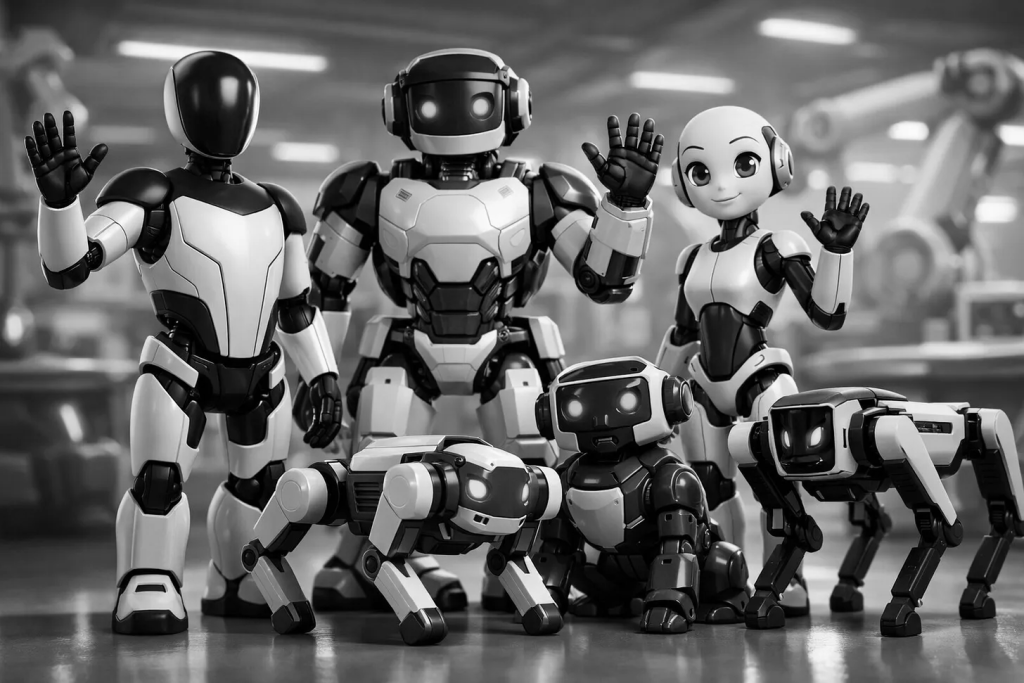
Humanoid Robots in 2025 Moved Beyond Demos but Practical Use Still Has Distance to Go

In this mega roundup of humanoid robotics in 2025, the narrative shifted from flashy lab videos to machines that are increasingly tested in real environments and early commercial roles. Tesla’s Optimus Gen 3 and Figure AI’s redesigned general-purpose units illustrate a clear industry pivot toward industrial pilots and manufacture-ready platforms, while logistics-focused robots like Agility’s Digit and Apptronik’s Apollo show that the first useful deployments are taking shape rather than remaining conceptual. 

Yet the story isn’t just about hardware. The roundup highlights how 2025 became the year robots began logging measurable work hours in warehouses and factory workflows, even as many systems still need human oversight and careful training data to operate beyond scripted tasks. This snapshot suggests that 2026 could be the moment when humanoid robotics transitions from controlled pilots to repeatable commercial playbooks, provided safety, autonomy, and scalability challenges are addressed.
READ ARTICLE

Stanford Experts Say 2026 Will Be the Year AI Leaves Hype Behind and Faces Hard Measurement

In their latest forecast, Stanford’s Institute for Human-Centered AI suggests that 2026 won’t be about whether AI can work but about rigorously evaluating what it actually does in real settings. Faculty from computer science, law, medicine, and economics argue that the era of enthusiastic evangelism is giving way to careful benchmarks, cost-benefit analysis, and transparent performance metrics as organizations across sectors wrestle with the real limits and opportunities of current systems. 

This shift reflects a broader mood in the field: excitement about foundational models that power new medical and legal tools, coupled with a demand for evidence that they deliver value where it matters most. Instead of chasing speculative breakthroughs, 2026 may see AI tied more tightly to measurable outcomes, clearer ROI, and a sober look at risks, workforce effects, and who benefits from these technologies.

READ ARTICLE

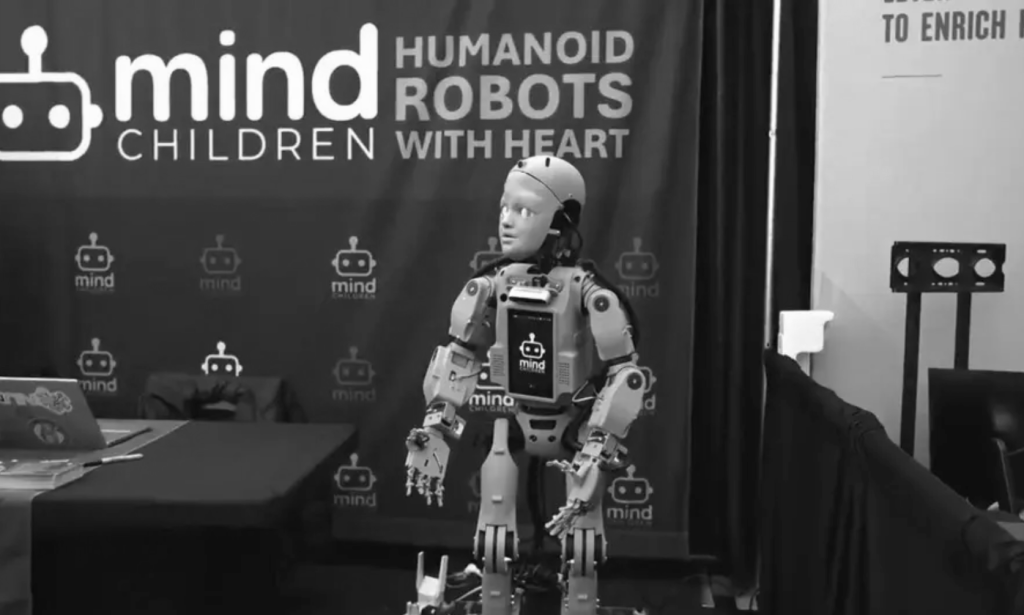
Humanoid Robots Energize Silicon Valley Summit but Real-World Impact Remains Distant

The Humanoids Summit in Mountain View showcased a wave of excitement as engineers and investors pushed forward on AI-powered robots that look closer than ever to moving and thinking like humans. Major tech teams highlighted real progress in autonomy and perception, fueling hopes for applications ranging from warehouses to interactive entertainment.

But veterans in the field cautioned that today’s systems still struggle with basic dexterity and reliable general-purpose behavior. The momentum is real, yet turning humanoid robots into practical tools will demand breakthroughs that the industry hasn’t solved quite yet.

READ ARTICLE