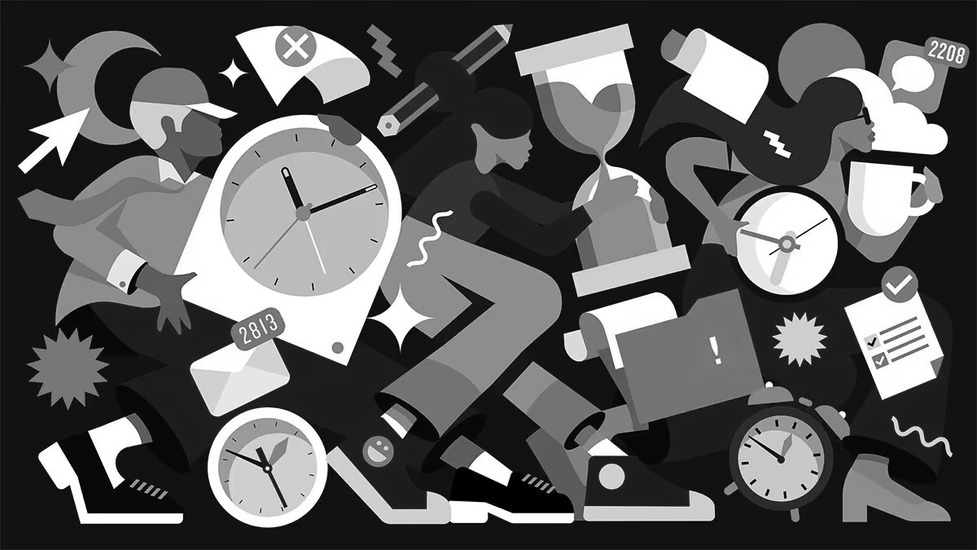
Recent research highlighted in Harvard Business Review finds that generative AI doesn’t actually reduce the amount of work people do; it just intensifies it. In a longitudinal study of roughly 200 employees at a U.S. tech company, tools designed to speed up tasks ended up pushing people to work faster, take on broader scopes of responsibility, and stretch their days into evenings and breaks. That “efficiency” advantage may look good on paper, but it can lead to workload creep, cognitive fatigue, burnout, and weaker decision-making when the pace becomes norm rather than exception.
The core insight here aligns with what economists call a Jevons-type paradox: reducing friction in a task doesn’t free time so much as invites more work into the space you thought you’d save. Individuals juggle more tasks and contexts because AI lowers barriers to starting them, blurring boundaries between work and life and masking mounting cognitive load. The article’s implication for leaders is stark — treating AI as a simple productivity hack without corresponding norms, workflow design, and human grounding risks trading short-term output gains for long-term sustainability problems.